
Begin a Bell County Property Records Search
Start at the Bell PVA qPublic search. Its address, name, parcel-ID, alternate-ID, and broad search modes give you several ways in. Each one turns a street clue into a tax parcel. Write down the parcel number, account, Owner field, location and mailing addresses, tax district, and deed book/page. Keep each piece handy. The Owner field is only a tax-roll lead. The book and page point you toward the recorded instrument itself. Next, open the Bell County Clerk records route and eCCLIX. Compare the grantee on the newest deed against the PVA owner. Use the map to find the tax parcel, never to settle a ground boundary. A Bell County property records search simply joins several dated records. It builds no title opinion and replaces no survey.
- Normalize the street number, road name, postal city, ZIP, and any route-name variation.
- Search qPublic and copy the exact hyphenated parcel ID, owner string, and deed reference.
- Search the clerk's deed index by grantee, grantor, document type, or known book and page.
- Compare the PVA roll, recorded instrument, tax information, and parcel representation by date.
- Ask the custodian for an office search, open-records response, or certified copy when the web record is incomplete.
A short search log saves real grief in a multi-office system. Same-name mix-ups and stale tax rolls cause the most common errors. Log your exact inputs, any zero-result screens, upload dates, recording dates, and spelling variants. The log also helps at the counter. Clerk staff can pick up a search for you there.
The Offices Behind Bell County Property Records
No single office holds the full Bell County land story. The county clerk records deeds, mortgages, liens, plats, releases, restrictions, wills, and related instruments. The PVA maintains the assessment roll, parcel identity, exemptions, values, and the map link. Kentucky DOR explains the statewide tax and assessment rules. The local court clerk supplies the actual files. Those files sit behind any property litigation you find through CourtNet.
Bell County Clerk Deed Room
101 Courthouse Square, Suite 200
Pineville, KY 40977
606-337-6143
Bell County PVA
Tax roll and parcel identity
Bell County, Kentucky
Confirm visit details with the PVA
Bell County Tax Record Route
Assessment at the PVA
Delinquency records at the county clerk
606-337-6143
The clerk lists weekday hours of 8:00 a.m. to 4:00 p.m. One clerk page says weekends are closed. But the contact page mentions limited first-Saturday service in Pineville and last-Saturday service in Middlesboro. Call before any weekend trip. The Middlesboro clerk office at 1475 Highway 25E, Suite 4 is another county service point.
Bell County qPublic Search Modes
The public Schneider interface is the main address-to-parcel gateway for Bell County property records. Pick the mode that matches the identifier you already have. The interface publishes no rules for partial matches. Narrow broad results with the road, ZIP, parcel punctuation, and deed reference. Do not guess at hidden search syntax.
| qPublic field | Input type | Practical use | Known limit |
|---|---|---|---|
| Search all | Mode plus text | Early discovery when the identifier type is unclear | May require extra checks to isolate one parcel |
| Search by name | Owner name | Find tax-roll parcels under a person or entity string | Exact partial-name behavior was not documented |
| Search by address | Situs address | Turn a known location into a parcel report | Road abbreviations and postal labels can vary |
| Search by parcel ID | Hyphenated identifier | Reopen an exact tax parcel | Bell has no published segment legend in the inspected sources |
| Search by alternate ID | Alternate identifier | Try an identifier supplied by another PVA record | Its semantics were not explained on the captured page |
Keep leading zeroes, hyphens, and decimals intact. A displayed tax-parcel number is a database key, not a stand-in for the legal description in a recorded deed or plat.
Inside a Bell County qPublic Parcel Card
A Bell parcel report combines identity, location, title clues, land facts, values, and system metadata. The card displays parcel and account numbers, the Owner, location and mailing addresses, class, tax district, and a deed book/page. It also shows working and certified values, exemption status, and a sale row. Land-detail labels cover acreage, subdivision, lot, and block. They also cover plat, shape, topography, drainage, flood hazard, zoning, utilities, roads, and sidewalks. Leave blank fields blank. A blank does not prove a feature is absent. The official qPublic search page is the starting point for every lookup.
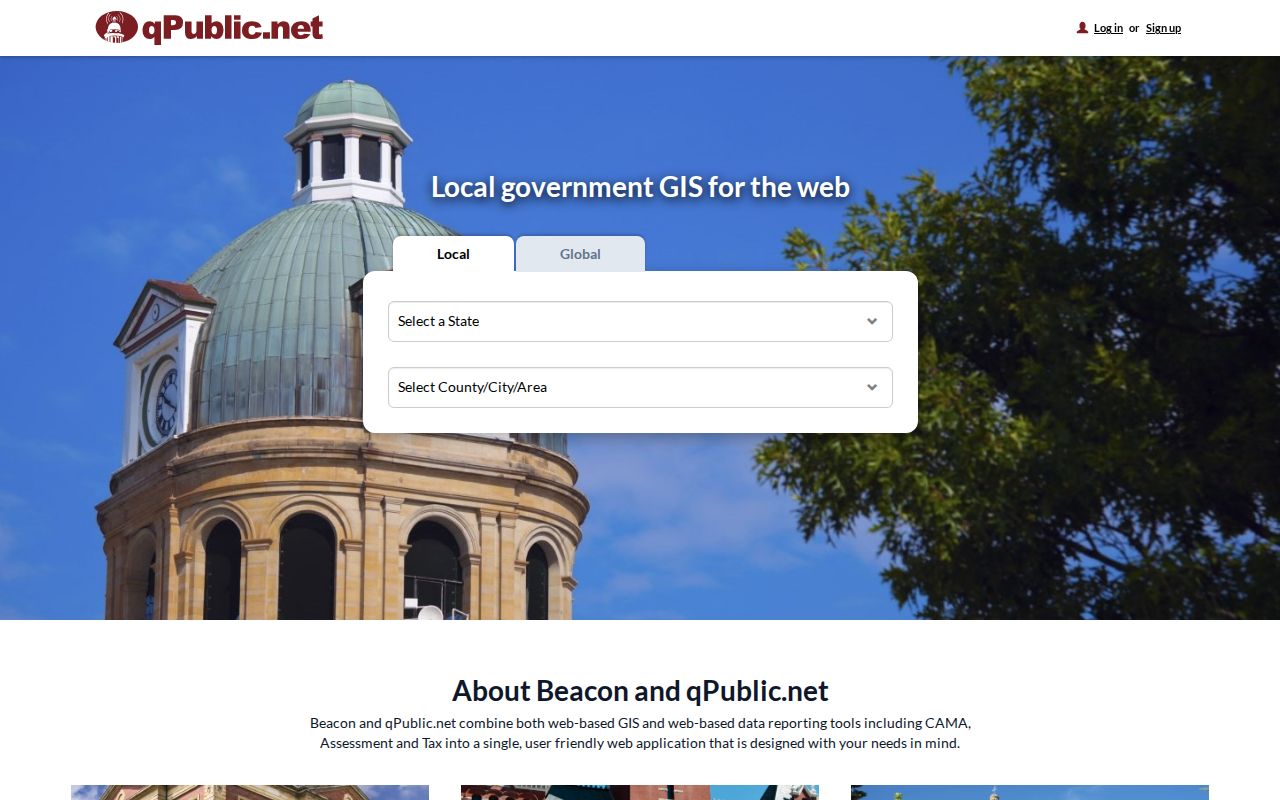
The search modes on that page lead to tax-card data worth copying in full. Grab it before moving on to deeds, tax status, court files, or maps. Definition: A parcel ID identifies a tax parcel; situs means the property's physical location; assessed value is a tax-roll figure; and a plat is a recorded drawing that may show lots, roads, and subdivision geometry.
Bell County Property Records Move From Roll to Deed
Read the qPublic Owner field alongside its roll year and upload timestamp. The card can show a 2026 Working Value beside a 2025 Certified Value. Its last upload fell on March 3, 2026. Those labels explain the assessment snapshot. They promise no fixed deed-to-roll update time. A deed recorded after the roll can name a newer grantee. Carry the owner string and deed book/page to eCCLIX or the Deed Room. Private-citizen access is free for Bell County but limited to five searches per day. Commercial access uses a subscription. The clerk publishes no online start year. An empty web result should lead you to the clerk rather than to any claim that no older deed exists. Note: Save the tax-card upload date and the deed recording date whenever the owner names do not match.
Types of Bell County Property Records
A complete Bell County property records review separates recorded instruments, assessment data, and tax status. It also separates map evidence, municipal files, and court litigation. Each type has a different keeper and a different evidentiary role. Treat online access as a lead only. An image, older volume, or certified copy may still require a counter visit. It may also require a written request.
| Record Type | What It Documents | Kept By | Access |
|---|---|---|---|
| Deeds and title instruments | Transfers, parties, consideration, legal descriptions, and source of title | Bell County Clerk | eCCLIX, Deed Room, or open-records request |
| Mortgages, liens, and releases | Recorded encumbrances and later satisfaction or release references | Bell County Clerk, with court files when relevant | eCCLIX, clerk office, and CourtNet lead |
| Assessment and tax | Owner lead, values, exemptions, roll year, and delinquency route | Bell PVA, clerk, and state tax authorities | qPublic, official guidance, and office follow-up |
| Plats and tax parcels | Lot, block, subdivision, parcel identity, and map context | Bell County Clerk and PVA | Clerk plat route and qPublic map |
| Zoning and permits | Municipal land-use rules, permits, inspections, and annexation | Pineville or Middlesboro | City code/site plus a municipal records request |
| Property court cases | Foreclosure, quiet title, partition, boundary, lien, and probate disputes | Bell Office of Circuit Court Clerk | CourtNet lead followed by the local case file |
Use deeds for the recorded transfer trail. Use the PVA roll for parcel identity and assessment, a plat or survey for boundary work, and the court file for litigation. Full mechanics continue in the Bell County property search guide.
Bell County Deeds, Liens, Plats, and Releases
The Bell County Clerk keeps a broad range of land instruments. Deeds record conveyances. Mortgages and liens record claims. Releases, corrections, easements, restrictions, affidavits of descent, land contracts, wills, and plats can all reshape the chain of title. Stop at one deed. You may miss a later correction, a partial release, or an estate transfer.
The clerk's deed guidance spells out the Kentucky recording elements Bell expects: grantor and grantee information, consideration, legal description, source of title, preparation and return statements, acknowledged signatures, and the tax-bill address on qualifying deeds. Fees include a $50 deed minimum and a $5 certified copy. The clerk's FAQ adds an overage formula for extra pages and property payments. Confirm the total first.
Bell citizens can search a limited web index through eCCLIX, visit either clerk office, or make a narrow request under the clerk's open-records policy. Requests may arrive by hand, mail, fax, or email. The policy describes a five-working-day response framework.
Bell County Parcel Lines Stop Short of a Survey
The Bell PVA parcel-map page opens a viewer showing roads, parcels, and owner information. The viewer carries its own caution. Parcel lines there serve tax purposes, not survey-grade boundaries. So treat each polygon as a first step. Find the likely parcel. Note the neighbors. Then lean on a deed, a recorded plat, or a licensed survey when you need real dimensions and ground lines.
A recorded Bell plat carries strict requirements of its own. Planning approval under KRS 100.283 is one. A surveyor's certification and seal, owner certification, and source of title round out the list. The clerk caps the sheet at 24 by 36 inches. All of that makes a plat strong for lot and subdivision geometry. Even a plat falls short here. It is no substitute for a fresh field survey of the marked line as it stands now.
Note: Roads, creeks, rights-of-way, and blank map strips can mislead the eye. Two nearby polygons may look more directly adjacent than the legal records show.
Working and Certified Bell County Values
Bell qPublic shows two distinct values. A working assessment sits beside the prior certified roll. The sample lists land, improvement, total taxable, exemption, and net taxable fields for 2026 Working Value and 2025 Certified Value. That timing gap is a useful clue. It is not an appraisal. Nor is it a promise of sale price or a live owner update.
Kentucky guidance calls for estimated fair cash value, subject to agricultural treatment and other state rules. Roll inspection usually opens the first Monday in May and runs two weeks. Bell's 2025 notice used May 5 through May 19 and required a PVA conference before an appeal. Exact dates come from the year's notice.
The property card, tax bill, and certificate of delinquency are separate records. Assessment questions go to the PVA. Delinquent-tax materials and purchaser information route through the Bell County Clerk delinquent-tax page and state rules.
CourtNet Gives Bell County Case Leads
Court cases add a layer to property records. Foreclosure, quiet-title, partition, probate, boundary, and lien fights all land in Bell courts. Search Kentucky CourtNet with a jurisdiction and party details for a case lead. The form needs a jurisdiction and a surname. A case number works too.
CourtNet is not the case file. Kentucky AOC says the local clerk that heard the case holds the pleadings, motions, orders, dockets, evidence, and reports. Save the case number and division. Then request the Bell circuit or district file, and cross-check the land index for a lis pendens, judgment lien, commissioner's deed, or release tied to the case.
Bell County ZIP Labels Are Not City Lines
A mailing label is not a jurisdiction. Pineville or Middlesboro addresses can sit outside city lines. Bell's official ZIP list also covers Arjay, Beverly, Calvin, Fourmile, Frakes, Hulen, Kettle Island, Miracle, and Stoney Fork. The split matters for zoning and permits. Pineville keeps its zoning map with its city clerk. Middlesboro's code makes its official zoning map the final city map authority. Neither city publishes an online permit register.
An edge-parcel inquiry should compare the PVA parcel, the state city-boundary map, the applicable city map, and a dated annexation ordinance. Postal city and tax district are separate facts.
Bell County Property Records Before 1867
Bell County was formed in 1867 from Harlan and Knox counties. That date changes the hunt for old land. A tract now in Bell may sit in a parent county's deed books. That happens when the deal predates county formation. Search names in both grantor and grantee directions. Write down the county named on each instrument.
The Kentucky Department for Libraries and Archives research guides point to county inventories, microfilm, and records pulled by staff. Kentucky deed books generally span 1781 through 2018, coverage varies by county, and older material can also sit among county, circuit, district, or quarter-sessions records. That statewide range is not Bell's eCCLIX cutoff.
Local color comes from the Bell County Public Library genealogy collection, the Bell County Historical Society's onsite holdings, and newspaper catalogs. Those sources can date an old road, family, or building, but the recorded land instrument remains the ownership source.
Open Records Requests for Bell County Land Files
Portals are not the only way in. When a record is not indexed online, the Bell County Clerk's open-records policy offers a path. The policy also reaches records that sit in an older volume. It works even when a file is known only by rough parties and a date. Direct the request to the clerk at 101 Courthouse Square, Suite 200, Pineville, Kentucky 40977-0157. Hand delivery, mail, fax, and email all work. The policy names a Request to Inspect Public Records form. Expect a response within five working days, subject to the policy and Kentucky law.
Focus the request and it is more likely to land. Give the instrument type, both party names, spelling variants, and an approximate recording window. Add book and page if known, plus any parcel or legal-description clue. Ask whether what comes back is an index entry, an uncertified image, or a certified copy. A free portal search does not make copies free. The clerk posts category-based recording fees and a separate certified deed-copy figure. Confirm the current charge and how you want delivery.
In-person research still matters when online coverage dates are unclear. The clerk's page lists weekday access at both Pineville and Middlesboro. Bring the qPublic parcel ID, the Owner string, and a deed cross-reference. Staff can check corrections, releases, easements, restrictions, plats, wills, and affidavits of descent. These may be tied to the same parties or land. One acquisition deed rarely tells the whole story of a later lien release, inherited interest, or lot change.
For older material, KDLA is the next channel. Its Research Room pulls originals and microfilm through staff. Its county inventories help you spot the right series. Admission is free, though copies, scans, media, and postage can carry charges and sales tax. The library and historical society round things out. They offer directories, newspapers, yearbooks, cemetery information, and local-history clues. These help whenever a historic address or family name fails to line up with the land index.
Reconciling Bell County Records That Disagree
Disagreements between systems deserve documentation, not quiet guesses. Suppose qPublic names one owner while a newer deed names another grantee. Write down the PVA's certified or working year, the last upload, the deed recording date, and any correction or affidavit, then ask both offices about timing. The cause may be simple. A roll lag, deed of correction, estate matter, or parcel split explains many apparent conflicts. Whatever the explanation, the records must support it.
Value conflicts need the same skepticism. PVA figures are assessment fields. A deed may state consideration. The parcel report may show a sales price. Bell's sample record carries a $0 sale field, which is exactly why a transaction row cannot be called market value until you read the deed and understand the transfer. A tax bill or certificate of delinquency adds payment status. It does not establish a different title owner.
Boundary arguments often compare unlike sources. A qPublic polygon defines a tax parcel. A recorded plat fixes lot and block geometry. A deed gives conveyance calls and may describe an easement. Only a licensed survey locates a line on the ground. City and Secretary of State maps settle corporate jurisdiction. Keep each source in its own role, especially near Pineville annexation corridors and the edges of Middlesboro.
History adds another wrinkle. Transactions before 1867 may still sit in Harlan or Knox indexes. Tract descriptions, creeks, roads, neighboring owners, and party names can bridge the move into Bell books. Newspapers, cemetery files, directories, and oral histories can test an address theory. None of them can fill a missing conveyance. Aim for a chain of cited records with every gap labeled for follow-up.
Bell County property records can carry you far. They show the tax-roll owner, assessed figures, a deed trail, recorded encumbrances, parcel references, plats, and property litigation. They cannot do everything. A tax polygon is not proof of a ground boundary. An online index may miss older books. A displayed sale price is not automatically market value, and a recorded lien may already carry a release.
Official sources still beat republished commercial data. They preserve custodians, dates, and record references that third parties strip away. Even so, reconciliation is part of the work. The tax roll can lag a recent deed, and an index can omit an image. For a purchase, estate, easement, or boundary issue, pull the actual instruments and bring in qualified professional help where the stakes require it.
An online property search only goes so far. For Bell County land records kept offline, the Bell County Courthouse is where to ask.
Limits of Bell County Property Records
Bell County property records can carry you far. They show the tax-roll owner, assessed figures, a deed trail, recorded encumbrances, parcel references, plats, and property litigation. They cannot do everything. A tax polygon is not proof of a ground boundary. An online index may miss older books. A displayed sale price is not automatically market value, and a recorded lien may already carry a release.
Official sources still beat republished commercial data. They preserve custodians, dates, and record references that third parties strip away. Even so, reconciliation is part of the work. The tax roll can lag a recent deed, and an index can omit an image. For a purchase, estate, easement, or boundary issue, pull the actual instruments and bring in qualified professional help where the stakes require it.
Lawful use. Bell County property records support due diligence, estate work, boundary research, and civic transparency. They do not replace a title search or licensed survey, and owner information must never be used to stalk, harass, or harm anyone.